

Discover the 6 best travel sunglasses of 2026 for everyday...
Read MoreThe Best Sports Sunglasses of 2026: Top Picks for Running, Cycling, and Outdoor Sports
By Zainab Khurshid | Blog | Leave a comment / 7 sep 2026
Table of Contents
Quick Answer
The best sports sunglasses depend on your activity, lighting conditions, fit preference, and the level of protection you need:
- Best Overall Premium: Oakley Encoder
- Best for Variable Light Training: Julbo Ultimate
- Best for Road Cycling: Oakley Encoder
- Best for Mountain Biking: Smith Wildcat
- Best for Running & Secure Fit: Roka SR-1X
- Best for Triathlon & Maximum Coverage: Rudy Project Kelion
- Best Budget Photochromic Pick: Tifosi Rail
You are halfway through a run when your sunglasses start becoming a distraction. They keep sliding down your nose, fog up when you stop on a trail, and make you spend more time fixing them than focusing on your activity.
The problem is not just comfort. Sunglasses that bounce, slip, or fog can affect your focus and become frustrating during fast descents, long rides, or technical trails. Choosing the wrong lens tint or frame style can also leave you with a pair that looks good but does not perform when you need it most.
The best sports sunglasses are the ones that match your activity, light conditions, and budget. A runner needs lightweight frames with secure grip, a cyclist needs clear vision and helmet comfort, while mountain bikers need better contrast, coverage, and durability for changing terrain.
In this guide, I researched and compared popular sports sunglasses from leading brands, reviewing their lens technologies, frame designs, specifications, and real world performance insights to help you make a smarter choice.
I focused on the features that matter most when choosing sports sunglasses:
- Lens clarity, tint options, and light performance
- Fog resistance, ventilation, and comfort
- Grip, fit, and helmet compatibility
- Value for different budgets and activities
From running and cycling to mountain biking, hiking, tennis, and water sports, this guide breaks down which sunglasses suit different conditions. You will find quick recommendations, a complete buying guide, detailed product reviews, and comparison tables to help you choose the right pair without wasting money.
Start with my At a Glance Top Picks for quick recommendations, or continue with the Buyer’s Guide to understand which lens technology and frame features are actually worth paying for.
How I Chose These Sunglasses
I compared each pair based on UV protection, polarization, glare control, lens quality, comfort, frame coverage, price, and buyer feedback. I also checked official product details to make sure each recommendation fits a real beach use case.
These sunglasses were selected for different needs, including fishing, travel, beach sports, everyday wear, budget shopping, and eco-conscious choices. I have not personally tested every pair, so the recommendations are based on detailed research, verified specifications, and real buyer experiences.
OAKLEY ENCODER | Roka SR-1X | Smith Wildcat | Julbo Ultimate | Rudy Project Kelion | Tifosi Rail | Glade Optics |
|---|---|---|---|---|---|---|
 |  |  |  |  |  |  |
Best Overall Premium Sports Sunglasses | Best Secure Fit for Running | Best for Mountain Biking | Best for Variable Light Conditions | Best for Cycling Coverage | Best Budget Performance Pick | Best Budget Trail Option |
⭐ 4.8/5 | ⭐ 4.7/5 | ⭐ 4.7/5 | ⭐ 4.6/5 | ⭐ 4.6/5 | ⭐ 4.5/5 | ⭐ 4.4/5 |
How to Choose Sports Sunglasses: A Buyer’s Guide

Choosing the right sports sunglasses is not just about finding a frame that looks good. The right pair should match your activity, your environment, and the conditions where you spend most of your time outdoors.
A runner needs lightweight sunglasses that stay secure during movement. A cyclist needs clear vision, airflow, and a frame that works comfortably with a helmet. A mountain biker needs better contrast and protection from changing light and trail debris.
Before buying, focus on these important factors:
- Lens material and optical clarity
- Lens tint and light conditions
- Frame style and coverage
- Fit, grip, and comfort
Understanding these differences will help you choose sunglasses that actually fit your needs instead of paying for features you may never use.
Lens Materials: Polycarbonate, Trivex, and Nylon
The lens material affects how your sunglasses handle impact, weight, and visual clarity. For sports use, you want a lens that is durable enough for outdoor conditions while remaining comfortable during long sessions.
1. Polycarbonate Lenses: Reliable Performance at a Better Price
Polycarbonate is one of the most popular lens materials in sports sunglasses because it offers a strong balance between protection, weight, and cost.
It is impact resistant, lightweight, and affordable, making it a practical choice for runners, cyclists, hikers, and everyday outdoor athletes.
For many people, polycarbonate provides enough optical performance without the higher cost of premium materials.
Best for:
- Running and trail running
- Cycling
- Hiking
- Budget conscious athletes
Models like the Tifosi Rail use lightweight lens designs that focus on providing good performance without a premium price.
2. Trivex Lenses: Better Clarity for Serious Outdoor Use
Trivex is a premium lens material designed for athletes who want sharper optics while maintaining strong impact resistance.
Compared with polycarbonate, Trivex generally provides improved visual clarity with less distortion. This can matter when you are reading road surfaces, spotting trail obstacles, or spending many hours outdoors.
The Julbo Ultimate Reactiv uses Trivex lens technology, making it a strong option for athletes who prioritize optical quality.
Best for:
- Long distance cycling
- Trail sports
- Variable light conditions
- Athletes who want premium clarity
The downside is cost. Trivex makes sense when you will actually benefit from the extra visual sharpness.
3. Nylon and O Matter Frames: Lightweight and Durable
Nylon and materials like Oakley’s O Matter are used for frames rather than lenses.
A good sports frame should feel lightweight, flexible, and strong enough to handle movement. Heavy frames can become uncomfortable during long rides, runs, or hikes.
Materials like O Matter help create frames that balance durability with comfort.
Best for:
- Long outdoor sessions
- Athletes who prefer lightweight eyewear
- Active sports where comfort matters
Key takeaway:
For most athletes, polycarbonate lenses offer excellent value. If you want sharper optics and are willing to pay more, Trivex can be a worthwhile upgrade.
Tint Colors and Visible Light Transmission (VLT)
The color of your lens changes how you see the world around you. The right tint can improve contrast, reduce glare, and help you notice details in different environments.
VLT stands for Visible Light Transmission. It describes how much light passes through the lens.
A lower VLT means a darker lens, while a higher VLT allows more light through.
Sports sunglasses usually fall into these categories:
- Category 0: Clear lenses for night or very low light
- Category 1-2: Overcast and changing conditions
- Category 3: Bright outdoor sunlight
- Category 4: Extreme brightness, such as snow or high altitude
1. Rose and Amber Lenses
Rose and amber lenses are popular for activities where contrast matters.
They help make terrain details easier to see, especially in shaded areas, forests, or cloudy conditions.
This makes them useful for trail running and mountain biking, where spotting rocks, roots, and uneven ground quickly matters.
Best for:
- Trail running
- Mountain biking
- Forest trails
- Overcast conditions
2. Gray Lenses
Gray lenses provide natural color perception while reducing brightness.
They are a good choice when you want protection from strong sunlight without changing how colors look.
Best for:
- Road cycling
- Water sports
- Bright open conditions
3. Brown and Copper Lenses
Brown and copper lenses improve contrast and depth perception in changing environments.
They work well when you move between sunny and shaded areas because they provide a balance between brightness control and detail visibility.
Best for:
- Mixed outdoor conditions
- Hiking
- Cycling in changing light
4. Photochromic Lenses
Photochromic lenses automatically adjust their darkness depending on UV exposure.
For example, Julbo’s Reactiv photochromic lenses can move from 87% VLT (almost clear) to 12% VLT (dark), helping athletes handle changing conditions without switching lenses.
They are useful for:
- Early morning starts
- Long rides
- Dawn to dusk training
- Activities moving between shade and sunlight
Expert tip:
Do not choose a lens only because it looks darker. A very dark lens can make shaded trails harder to read. Match your tint to the environment where you actually use your sunglasses.
☀️
Why Lens Tint Matters
Choose the right lens for your light conditions.
🌲 Trail
Rose / Amber
Rose / Amber
🚴 Cycling
Gray Lens
Gray Lens
🌤 Mixed Light
Photochromic
Photochromic
🌲 Rose
Better contrast on shaded trails.
☀️ Gray
Natural colors in bright sun.
🔄 Photochromic
Adjusts as light changes.
✓ Pick tint based on your environment, not darkness.
Polarized vs Photochromic Lenses
Polarized and photochromic lenses solve different problems. The better choice depends on your activity and the conditions you face.
1. Polarized Lenses
Polarized lenses reduce glare from reflective surfaces such as:
- Water
- Wet roads
- Car windshields
They are especially useful for water sports, driving, and road cycling in bright conditions.
For drivers, choosing the right lens type can make a noticeable difference in glare reduction and visual comfort. My guide on best sunglasses for driving explains what to look for when choosing sunglasses behind the wheel.
The trade off is that polarization can sometimes reduce depth perception on technical trails, where judging rocks and terrain changes quickly is important.
2. Photochromic Lenses
Photochromic lenses change darkness automatically as light conditions change.
They are ideal for athletes who start in low light and continue into brighter conditions without wanting to carry multiple lenses.
The downside is that temperature can affect how quickly they react. In very hot conditions, some photochromic lenses may adjust more slowly.
3. Which One Should You Choose?
Choose polarized lenses if your main problem is glare.
Choose photochromic lenses if your main problem is changing light.
If you always train in the same conditions, a fixed tint is often simpler and more affordable. If your activity covers different lighting situations, photochromic lenses can justify the extra cost.
Key takeaway:
Polarized lenses reduce glare. Photochromic lenses adapt to changing light. They are designed for different situations, not as direct replacements.
🕶️
Polarized vs Photochromic
Two lenses. Different solutions.
✨ Polarized
Cuts glare
🌊 Water & Bright Roads
🌤 Photochromic
Adapts to light
🌲 Shade to Sun
🌊
Water Sports
Less reflection
🚴
Road Riding
Bright sun control
🌅
Dawn Training
Auto adjustment
✓ Polarized reduces glare. Photochromic adapts to changing light.
Frame Styles: Shield vs Double-Lens
Frame design affects your field of vision, ventilation, protection, and prescription options.
1. Shield Frames
Shield sunglasses use one continuous lens across both eyes.
Examples include the Oakley Encoder and Rudy Project Kelion.
Advantages:
- Wider field of view
- Better wind and debris protection
- Fewer frame edges blocking your vision
The downside is that some shield designs can be harder to fit with stronger prescriptions, and some athletes may find them warmer during intense activity.
2. Double Lens Frames
Double-lens sunglasses use two separate lenses in a traditional frame design.
Advantages:
- Easier prescription compatibility
- Often better ventilation
- Familiar fit
The trade-off is that the frame edges may slightly reduce peripheral vision.
3. Frameless and Semi Rimless Designs
Frameless and semi rimless designs reduce weight by removing unnecessary frame material.
Models like the Oakley Encoder and Tifosi Rail use this approach, making them popular among cyclists who frequently look down at bike computers or road surfaces.
Key takeaway:
Shield frames are best for maximum coverage and field of view. Double-lens frames are better when ventilation and prescription flexibility are priorities.
Fit, Grip, and Helmet Compatibility
A good pair of sports sunglasses should stay secure without constant adjustment.
Look for:
- Grippy nose pads
- Rubberized temple tips
- Adjustable fit systems
Materials like Oakley’s Unobtainium, Roka’s GEKO pads, and Smith’s Megol are designed to improve grip, especially when sweat increases.
Weight also matters. Lightweight frames reduce pressure and movement during activity.
Examples:
- Julbo Ultimate: around 27 grams
- Oakley Encoder: around 30.5 grams
For cyclists, helmet compatibility is essential. The temples should slide cleanly under helmet straps without creating pressure points or pushing the frame out of position.
Stop Buying Sunglasses That Fog: Quick Fit Guide
Before buying, check these things:
- Do they stay secure when you move your head?
- Do the nose pads grip comfortably?
- Do they work with your helmet?
- Is there enough airflow around the lenses?
- Do they feel comfortable after wearing them for several minutes?
A perfect fit often matters more than choosing the most expensive model.
🕶️
Stop Buying Sunglasses That Fog
Good fit keeps glasses secure and vision clear.
😣
❌ Poor Fit
Slip • Fog • Pressure
😎
✓ Better Fit
Grip • Airflow • Comfort
👃
Grip
Stays secure
🪖
Helmet
No pressure
🌬️
Airflow
Less fog
✓ A secure fit matters more than an expensive frame.
Prescription Sports Sunglasses
Prescription needs should not stop you from getting proper sports eyewear.
Brands like Roka, Oakley, and Rudy Project offer sport specific prescription options designed for active use.
Clip in inserts are another solution, but they sit behind the main lens and can add weight, reflections, and potential fogging issues.
Before buying prescription sports sunglasses, check:
- Supported prescription range
- Progressive lens availability
- Frame wrap compatibility
- Potential distortion from high wrap designs
High wrap shield frames can sometimes create vision issues with stronger prescriptions.
Key takeaway:
If you need prescription sports sunglasses, dedicated RX options are usually a better long term choice than clip-in inserts.
Sport Specific Recommendations: Find the Right Sunglasses for Your Activity

The best sports sunglasses are not always the most expensive pair. The right choice depends on where you train, how you move, and what problems you need your eyewear to solve.
A trail runner needs a lightweight frame that stays secure. A cyclist needs clear vision, airflow, and helmet compatibility. A mountain biker needs contrast and protection when moving between bright trails and shaded sections.
Below are the top options for each sport, selected by comparing lens technology, frame design, weight, grip features, and intended use.
Running: Lightweight Frames That Stay Secure
1. Best Choice: Roka SR-1X
The Roka SR-1X is designed for runners and triathletes who need a stable fit without losing visibility.
Its semi-rimless shield design leaves the bottom of the lens open, giving you a clearer view when watching your footing on trails or uneven paths. The GEKO grip pads are designed to improve traction, helping the frame stay in place during quick movements.
Why runners choose it:
- Wide field of view
- Secure grip during movement
- Lightweight sport focused design
Consider before buying:
The performance focused design comes at a premium price, so it makes more sense for regular runners than casual users who only train occasionally.
2. Alternative Pick: Julbo Ultimate
The Julbo Ultimate is a strong option for runners who move through changing light conditions.
Its lightweight 27-gram design helps keep long sessions comfortable, while the full ventilation system supports airflow. The photochromic Reactiv lens adjusts as light changes, making it useful for early morning runs that continue into brighter conditions.
Best for:
- Trail running
- Long distance training
- Dawn to dusk sessions
Consider before buying:
Photochromic lenses are convenient, but runners who only train in consistent sunlight may get better value from a fixed tint.
Road Cycling: Clear Vision and Helmet Compatibility
1. Best Choice: Oakley Encoder
The Oakley Encoder is built for cyclists who want excellent optical clarity and a wide field of view.
Its Prizm lens technology is designed to improve contrast and help cyclists notice road details, surface changes, and potential hazards. The frameless shield design also allows more airflow around the face, which can help reduce fogging during slower climbs.
Why cyclists choose it:
- Excellent lens clarity
- Wide coverage
- Open airflow design
Consider before buying:
It is a premium option. Riders who only cycle occasionally may not need to spend this much for similar protection.
2. Alternative Pick: Rudy Project Kelion
The Rudy Project Kelion is designed for riders who prefer maximum coverage.
Its large shield lens provides a wide field of vision, while the Powerflow Extreme Ventilation system focuses on airflow during demanding rides.
Best for:
- Road cycling
- Triathlon
- Riders who prefer larger shield frames
Consider before buying:
The larger design may feel excessive for riders who prefer smaller, lighter frames.
What Cyclists Should Look For
A good cycling pair should have:
- Helmet friendly temples
- No pressure points
- Glare control for bright roads
- Enough airflow during climbs
Mountain Biking: Contrast and Protection on the Trail
1. Best Choice: Smith Wildcat
Mountain biking requires more than a dark lens. You need to see changes in terrain quickly.
The Smith Wildcat uses ChromaPop lens technology to improve contrast, helping riders identify trail details such as rocks, roots, and uneven surfaces. Its Cat 1-4 photochromic range helps manage changing conditions from open areas to shaded forests.
The oversized design also provides additional coverage from dust, branches, and debris.
Why mountain bikers choose it:
- Enhanced trail contrast
- Large protective coverage
- Handles changing light conditions
Consider before buying:
The larger frame provides protection but may feel too big for riders who prefer minimal eyewear.
2. Alternative Pick: Glade Optics Stash
The Glade Optics Stash offers a more affordable route into photochromic trail eyewear.
Its REVEAL 4K photochromic lenses and oversized coverage make it a practical choice for riders who need versatility without moving into premium pricing.
Best for:
- Trail riding
- Mixed-light conditions
- Budget-conscious riders
What Mountain Bikers Should Look For
Prioritize:
- Impact resistant lenses
- Contrast enhancing tints
- Secure grip
- Protection from trail debris
Tennis: Better Contrast for Fast Movement
Best Choice: Oakley Encoder
Tennis requires quick reactions and clear tracking.
The Oakley Encoder lens technology is designed to enhance contrast, helping players follow the ball more easily against different backgrounds.
Why tennis players choose it:
- Secure fit during side to side movement
- Contrast enhancement
- UV protection for outdoor matches
Consider before buying:
A cycling focused shield design may provide more coverage than some tennis players actually need.
Water Sports: Reduce Reflection and Eye Strain
Best Choice: Polarized Lenses
For water sports, polarized lenses are usually the strongest choice because they solve the biggest problem: glare.
Reflections from water surfaces can create intense brightness and eye fatigue. Polarized lenses help reduce that reflected light, making long sessions more comfortable.
Best for:
- Fishing
- Kayaking
- Paddle sports
- Open water activities
Consider before buying:
Polarized lenses are excellent for glare, but they are not always the best choice for technical terrain where depth perception matters.
What Water Athletes Should Look For
Choose:
- Polarized lenses
- Secure fit
- Hydrophobic coatings
- Comfortable frames that stay in place
Hiking: Lightweight Comfort for Long Days Outdoors
1. Best Choice: Julbo Ultimate
Hiking often means moving through multiple environments in one day.
The Julbo Ultimate works well for hikers because the lightweight design helps during long wear, while the photochromic lens adapts between bright ridgelines and shaded forest paths.
Why hikers choose it:
- Lightweight comfort
- Changing-light performance
- Versatile outdoor use
Consider before buying:
If you mostly hike in bright, predictable sunlight, a fixed darker lens may be a simpler option.
What Hikers Should Look For
Focus on:
- Lightweight construction
- Versatile lenses
- Durable frames
- Comfortable all day fit
Sport Specific Lens Tint Decoder
Your lens tint should match your environment, not just how dark the lens looks.
| Sport | Tint | VLT | Polarized | Why |
|---|---|---|---|---|
| Trail Running Shaded Forest |
Rose / Amber | 20–40% | No | Boosts contrast on dirt and roots |
| Road Cycling Bright Sun |
Gray / Brown | 10–20% | Optional | Natural colors & glare control |
| Mountain Biking Mixed Light |
Photochromic Cat 1–3 |
15–60% | No | Adapts between shade and sunlight |
| Water Sports Open Water |
Gray / Brown | 10–20% | Yes | Cuts reflected water glare |
| Dawn-to-Dusk Training | Photochromic Cat 0–3 |
12–87% | No | Handles changing light |
| Snow / High Altitude | Dark Gray / Brown | 5–10% | Yes | Maximum glare reduction |
Top Pick
Oakley Encoder
Oakley Encoder is designed for cyclists who want better road visibility, lightweight comfort, and a wide field of view during outdoor rides. With Prizm lens technology, a frameless shield design, and secure grip features, it focuses on solving common cycling eyewear problems like glare, limited peripheral vision, and unstable fit.
Some links in this guide may be affiliate links. If you buy through these links, I may earn a small commission at no extra cost to you. I only include products based on product details, buyer feedback, features, pros, cons, and comparison research.
| Model | Lens | Frame | Weight | Best For |
|---|---|---|---|---|
| Oakley Encoder | Prizm Contrast Lens |
Frameless Shield |
30.5g | Road Cycling |
| Roka SR-1X | C3 Nylon Interchangeable |
Semi-Rimless Shield |
Verify | Running, Cycling |
| Smith Wildcat | ChromaPop Photochromic |
Large Shield |
32g | Mountain Biking |
| Julbo Ultimate | Reactiv Photochromic |
Panoramic Shield |
27g | Variable Light |
| Rudy Project Kelion | ImpactX 2 Photochromic |
Large-Fit Shield |
36g | Triathlon, Cycling |
| Tifosi Rail | Fototec Photochromic |
Rimless | 31g | Budget Cycling |
| Glade Optics Stash | REVEAL 4K Photochromic |
Oversized Shield |
Verify | Trail & MTB |
Top Picks: Best Sports Sunglasses of 2026
The best sports sunglasses are not always the most expensive pair. What matters is how well the lens technology, fit, and frame design match your activity and the conditions you usually face.
I compared leading models using official specifications, lens technologies, expert reviews, brand information, and real user feedback patterns. I do not claim hands-on testing unless a product has actually been tested.
For sports use, the most important factors considered were:
- Lens clarity and contrast performance
- UV protection and lens technology
- Glare control and light management
- Frame grip and stability during movement
- Fog resistance and ventilation
- Helmet compatibility
- Weight and long term comfort
- Value for different types of athletes
Whether you are running, cycling, mountain biking, hiking, or training in changing light, these are the strongest options for different outdoor needs.
Find Your Best Match
1 of 4
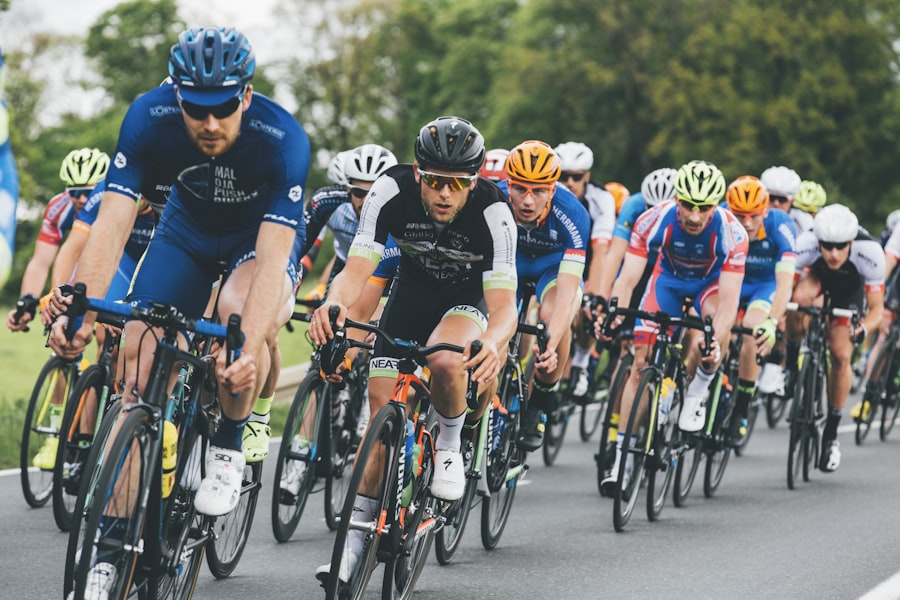
Choose Your Sport
Find the right lens and fit for your activity.
Oakley Encoder | Best Cycling Sunglasses for Premium Optics
Oakley Encoder
Oakley Encoder is designed for cyclists who want better road visibility, lightweight comfort, and a wide field of view during outdoor rides. With Prizm lens technology, a frameless shield design, and secure grip features, it focuses on solving common cycling eyewear problems like glare, limited peripheral vision, and unstable fit.
Pros
- Excellent Prizm lens clarity
- Lightweight frameless design
- Wide field of view
- Good airflow around the lens
- Secure Unobtainium grip areas
- Strong contrast enhancement
Cons
- Premium price point
- Too advanced for casual riders
- Frameless design is not for everyone
- Performance-focused appearance
Why It Stands Out
The biggest strength of Oakley Encoder is its Prizm lens technology. For cycling, simply reducing brightness is not enough. Riders need to see road texture, surface changes, and obstacles clearly.
Prizm lenses are designed to improve contrast and color perception, helping important details stand out in outdoor conditions.
The frameless shield design is another major advantage. It creates a wider viewing area compared with traditional frames while keeping the overall design lightweight.

Key Features
- Frameless mono lens shield design
- Around 30.5-gram construction
- Oakley Prizm lens technology
- O Matter frame material
- Unobtainium grip sections
Drawbacks to Know
The biggest limitation is the price. Oakley Encoder is aimed at riders who regularly spend time outdoors and want premium optical performance.
The shield style look is also more aggressive than traditional sunglasses. Some riders may love the modern cycling style, while others may prefer a simpler frame.
What Buyers Are Saying
Customer feedback commonly highlights the sharp optics and comfortable fit of Oakley performance eyewear. Many riders appreciate the clear view, lightweight feel, and wide coverage during cycling.
The most common complaints are related to cost. Some buyers feel the optical quality justifies the investment, while casual cyclists often prefer more affordable alternatives.
Who Should Buy Oakley Encoder?
This pair makes sense if you:
- Ride road or gravel regularly
- Want premium lens clarity
- Prefer lightweight cycling sunglasses
- Need wide peripheral vision
- Value performance features
Who Should Avoid It?
Consider another option if you:
- Only cycle occasionally
- Want budget sunglasses
- Prefer classic frame styles
- Do not need advanced optics
Verdict
Oakley Encoder is a premium choice for cyclists who care about clear vision and lightweight performance. Its biggest strengths are the Prizm lens quality and frameless design.
For serious riders, the features can justify the investment. For casual outdoor use, a simpler pair may offer better value.
Roka SR-1X | Best Running Sunglasses for Secure Fit
Roka SR-1X
Roka SR-1X is designed for athletes who need sunglasses that stay secure during movement. Running and triathlon require a stable fit, and this model focuses on reducing slipping with GEKO grip pads, adjustable components, and a semi-rimless shield design.
Pros
- Secure GEKO grip system
- Adjustable fit options
- Lightweight sport design
- Open lower field of view
- Interchangeable lenses
- Designed for running and cycling
Cons
- Premium sport-focused design
- Not ideal for casual wear
- Interchangeable lenses add complexity
- Fit may depend on face shape
Why It Stands Out
The main reason athletes consider Roka SR-1X is its focus on stability. Sunglasses that move during running become distracting, especially during longer sessions.
The GEKO hydrophilic nose and temple pads are designed to improve grip, helping keep the frame secure when sweat and movement are involved.
The semi rimless shield design also keeps the lower viewing area open, which can be useful when watching your footing on trails or uneven surfaces.

Key Features
- Semi-rimless sport shield design
- Titanium core frame
- GEKO hydrophilic grip pads
- C3 nylon interchangeable lenses
- Adjustable titanium core wires
- Anti-fog and anti-scratch coatings
Drawbacks to Know
Roka SR-1X is built for performance users rather than everyday casual wear. If you mainly need sunglasses for walking, travel, or general outdoor use, many features may feel unnecessary.
The interchangeable lens system adds flexibility but may not appeal to users who prefer a simple fixed lens setup.
What Buyers Say
Owners frequently mention the secure fit and lightweight feel as the biggest advantages of Roka eyewear. The grip system receives positive attention because it solves a common problem with sports sunglasses.
Some users note that performance frames have a more specific fit compared with casual sunglasses. Face shape and personal comfort preference play an important role.
Who Should Buy Roka SR-1X?
This pair is a good fit if you:
- Run regularly
- Train for triathlons
- Need secure sunglasses
- Prefer adjustable performance eyewear
- Want a sport specific design
Who Should Avoid It?
You may want another option if you:
- Want casual sunglasses
- Prefer simple designs
- Do not need high-movement performance features
- Want a cheaper pair
Verdict
Roka SR-1X is focused on one important thing: keeping your sunglasses secure when you are moving. Its grip system and adjustable design make it appealing for active athletes.
If slipping sunglasses are your biggest frustration, this model solves that problem better than many lifestyle focused frames.
Smith Wildcat | Best Mountain Biking Sunglasses for Trail Protection
Smith Wildcat
Smith Wildcat is designed for riders who need more than basic sun protection on technical trails. Mountain biking involves changing light, loose debris, and uneven terrain, so good eyewear needs strong coverage and better contrast. With ChromaPop lens technology, large coverage, and photochromic options, Wildcat focuses on helping riders see trail details while staying protected.
Pros
- Excellent contrast enhancement with ChromaPop lenses
- Large coverage for trail protection
- Photochromic lens options available
- Secure Megol grip system
- Comfortable for long rides
- Interchangeable lens option
Cons
- Oversized design may not suit smaller faces
- Premium pricing
- Larger frame feels less minimal
- More focused on trail riding than everyday use
Why It Stands Out
The biggest advantage of Smith Wildcat is its trail focused lens performance. On mountain bike trails, seeing roots, rocks, and surface changes quickly matters more than simply having a dark lens.
ChromaPop technology is designed to enhance contrast and color separation, helping terrain details stand out more clearly. This makes it a strong option for riders moving between bright open areas and shaded sections.
The large shield style coverage is another reason riders choose this model. It provides more protection from dust, branches, and trail debris compared with smaller lifestyle frames.

Key Features
- ChromaPop lens technology
- Cat 1–4 photochromic range
- Around 32-gram lightweight design
- Megol adjustable nose pads
- AutoLock hinges
- Extra-large coverage frame
- Interchangeable lens system
Drawbacks to Know
The biggest thing to consider is the size. The oversized design is excellent for protection, but riders with smaller faces may find the frame too large or noticeable.
The premium positioning is another factor. If you mostly ride easy trails or spend more time on roads, you may not need this level of coverage.
What Buyers Say
Many owners praise Smith Wildcat for its lens clarity, comfortable fit, and strong trail coverage. Riders often mention that the ChromaPop lenses help improve visibility in changing outdoor conditions.
The most common complaints are usually about the larger frame size. Some users love the extra protection, while others feel the design is bigger than they expected.
Who Should Buy Smith Wildcat?
This pair makes sense if you:
- Ride mountain trails regularly
- Need extra eye protection
- Want better terrain contrast
- Ride through changing light conditions
- Prefer larger shield frames
Who Should Avoid It?
Consider another option if you:
- Have a smaller face
- Prefer compact sunglasses
- Mostly ride on roads
- Want a simple everyday frame
Verdict
Smith Wildcat is one of the strongest choices for mountain bikers who want protection and better trail visibility in one package.
Its oversized design will not suit everyone, but for aggressive trail riding, the coverage, grip, and contrast focused lenses make it a practical choice.
Julbo Ultimate | Best Photochromic Sunglasses for Changing Light
Julbo Ultimate
Changing light is one of the biggest challenges for outdoor athletes. A ride or run that starts in low light can quickly turn into bright sun, forcing many people to carry extra lenses or compromise with the wrong tint.
Julbo Ultimate solves this problem with Reactiv photochromic lenses that automatically adjust to changing conditions. Its lightweight frame, ventilation system, and adjustable fit make it a versatile choice for athletes who train from morning to afternoon.
Pros
- Excellent photochromic lens performance
- Very lightweight design
- Strong ventilation system
- Adjustable fit options
- High optical clarity with Trivex lens
- Prescription-ready options
Cons
- Reactiv versions can be expensive
- Shield design is not for everyone
- Less specialized for extreme sports protection
- Lens adjustment speed can vary with conditions
Why It Stands Out
The main reason to choose Julbo Ultimate is versatility. Instead of carrying multiple lenses for different conditions, the Reactiv photochromic lens automatically adapts as light changes.
This makes it especially useful for early morning runs, long rides, and outdoor activities where conditions change throughout the day.
The lightweight construction is another major advantage. At around 27 grams, it focuses on comfort for long wear without creating pressure points.

Key Features
- 27-gram lightweight design
- Reactiv photochromic Trivex lens
- 87% to 12% VLT range
- Panoramic shield design
- CustomFIT adjustable temples
- 3D Fit Nose system
- Grip Tech materials
- Full front ventilation
Drawbacks to Know
Photochromic technology is convenient, but it comes with a higher cost compared with standard lenses. If you always train in the same lighting conditions, a fixed tint may provide better value.
The panoramic shield style also has a more modern appearance. Some users may prefer traditional double lens sunglasses.
What Buyers Say
Users commonly praise Julbo Ultimate for its lightweight feel and ability to handle changing light conditions. The photochromic lens is often highlighted by athletes who train during early mornings or longer outdoor sessions.
Some buyers mention that the premium lens versions are harder to justify if they do not regularly experience changing light environments.
Who Should Buy Julbo Ultimate?
This pair makes sense if you:
- Train from dawn to dusk
- Run or cycle in changing conditions
- Want one lens for multiple environments
- Prefer lightweight sunglasses
- Need adjustable comfort
Who Should Avoid It?
Consider another option if you:
- Mostly train in bright consistent sunlight
- Want cheaper fixed lenses
- Prefer classic frame designs
- Need maximum debris protection
Verdict
Julbo Ultimate is one of the best choices for athletes who deal with unpredictable lighting. Its photochromic lens removes the hassle of switching between different tints.
For runners, cyclists, and outdoor athletes who move between shade and sunlight, this versatility can be worth the investment.
Rudy Project Kelion | Best Cycling Sunglasses for Maximum Coverage
Rudy Project Kelion
Rudy Project Kelion is built for cyclists and triathletes who want maximum visibility and protection. Large shield coverage, strong ventilation, and photochromic lens options make it a good match for riders who spend long hours outdoors and need a wider field of view.
Pros
- Extremely wide field of view
- Strong ventilation system
- Photochromic lens option
- Large protective coverage
- Interchangeable lenses
- Sustainable frame material
Cons
- Heavier than some competitors
- Large fit may not suit smaller faces
- Premium pricing
- Less suitable for casual wear
Why It Stands Out
The biggest feature of Rudy Project Kelion is its wide viewing area. The large shield design provides near 180-degree coverage, allowing cyclists to see more around them without constantly moving their head.
This can be especially useful in road cycling and triathlon, where awareness of surroundings matters.
The Powerflow Extreme Ventilation system is another important feature. Better airflow helps manage fogging during intense efforts or slower climbs.

Key Features
- 36-gram construction
- ImpactX 2 photochromic lens option
- Rilsan Clear bio based frame material
- Large fit shield design
- Near 180-degree field of view
- Powerflow Extreme Ventilation
- Interchangeable lenses
Drawbacks to Know
The larger frame is both its strength and weakness. Riders who want maximum coverage will appreciate it, but smaller faces may find it too large.
At around 36 grams, it is also heavier than some lightweight competitors. For riders who prioritize the lowest possible weight, other options may feel better.
What Buyers Say
Users generally appreciate Rudy Project models for their wide coverage, comfort, and cycling focused designs. The ventilation system and large lens area are often mentioned as useful features.
The most common concerns are related to size. Riders looking for a smaller, lighter frame may prefer more compact alternatives.
Who Should Buy Rudy Project Kelion?
This pair makes sense if you:
- Ride road bikes regularly
- Do triathlons
- Want maximum coverage
- Prefer wide field of view
- Need strong ventilation
Who Should Avoid It?
Consider another option if you:
- Have a smaller face
- Want ultra light sunglasses
- Prefer casual designs
- Do not need large coverage
Verdict
Rudy Project Kelion is a strong choice for cyclists who value coverage, airflow, and wide visibility.
It is not the smallest or lightest option available, but riders who prefer a large shield design will appreciate its protective and performance-focused approach.
Tifosi Rail | Best Budget Photochromic Sports Sunglasses
Tifosi Rail
Finding sports sunglasses with photochromic performance usually means spending premium money, but Tifosi Rail takes a different approach. It is designed for athletes who want changing-light adaptability without paying high-end prices. With a lightweight rimless design, Fototec lenses, and interchangeable options, it focuses on giving runners and cyclists practical performance at a more accessible level.
Pros
- Excellent value for photochromic lenses
- Lightweight design
- Rimless frame improves visibility
- Interchangeable lens system
- Durable TR-90 frame material
- Good option for cycling and running
Cons
- Less premium lens quality than high-end brands
- Rimless design offers less debris protection
- Fit may not suit larger faces
- Not as refined as premium models
Why It Stands Out
The biggest reason to consider Tifosi Rail is the value it offers. Photochromic sunglasses are often expensive, but Rail brings automatic light adjustment into a much more affordable package.
The Fototec lens technology allows the lens to adapt as lighting conditions change, making it useful for athletes who start early in the morning or move between shade and sunlight.
The rimless design also keeps the frame lightweight and reduces visual distractions. For runners and cyclists who want simple, functional eyewear, this approach makes sense.

Key Features
- Fototec photochromic lens technology
- 14% to 74% light transmission range
- Around 31-gram frame weight
- Grilamid TR-90 frame
- Rimless design
- Interchangeable lenses
- Small to medium fit
Drawbacks to Know
The main limitation of Tifosi Rail is that it competes in the value category. While it offers useful features, it does not provide the same level of optical refinement or premium materials found in brands like Oakley or Smith.
The rimless construction also means less coverage compared with larger shield-style models. If you ride aggressive trails where debris protection matters, a more protective frame may be a better choice.
What Buyers Say
Users commonly appreciate Tifosi Rail for its lightweight feel, comfortable fit, and strong value. Many buyers like that they can get photochromic functionality without moving into a premium price range.
Some users mention that the fit works best for smaller and medium-sized faces. Others note that while the optics are good for the price, they are not comparable to more expensive performance lenses.
Who Should Buy Tifosi Rail?
This pair makes sense if you:
- Want affordable photochromic sunglasses
- Run or cycle regularly
- Need lightweight eyewear
- Prefer simple designs
- Want good value without premium pricing
Who Should Avoid It?
Consider another option if you:
- Need maximum trail protection
- Want premium optical performance
- Have a larger face
- Prefer oversized shield coverage
Verdict
Tifosi Rail is one of the better choices for athletes who want useful features without spending premium money. Its photochromic capability and lightweight design make it practical for everyday training.
It may not match the refinement of expensive models, but for runners and cyclists looking for value, it delivers a lot for the price.
Glade Optics Stash | Best Budget Photochromic Sunglasses for Trail Sports
Glade Optics Stash
Many athletes want the benefits of photochromic lenses but do not want to spend several hundred dollars. Glade Optics Stash targets this group with REVEAL 4K photochromic lenses, oversized coverage, and a trail-friendly design aimed at runners and mountain bikers who need adaptable protection.
Pros
- Strong photochromic lens value
- REVEAL 4K lens technology
- Large protective coverage
- Quick-swap lens system
- Impact-resistant lens design
- Good option for trail activities
Cons
- Brand is less established than major competitors
- Weight information is less widely available
- Oversized style may not suit everyone
- Long-term durability feedback is more limited
Why It Stands Out
The biggest advantage of Glade Optics Stash is that it brings photochromic performance into a more affordable range.
The REVEAL 4K lens system is designed to adjust with changing light conditions, making it useful for activities where you move between open sun and shaded areas.
The oversized coverage is another strong point. For mountain biking and trail running, extra protection from dust, branches, and debris can be more valuable than a minimalist frame.

Key Features
- REVEAL 4K photochromic lenses
- Oversized coverage design
- Impact resistant lenses
- Quick swap lens system
- Multiple color options
- Trail focused protection
Drawbacks
The biggest consideration with Glade Optics is brand reputation. Compared with established names like Oakley, Smith, and Julbo, there is less long term market history available.
The oversized design also follows the trail protection approach, which means users looking for smaller lifestyle sunglasses may find the fit too large.
What Reviewers Say
Customer feedback often highlights the value of the photochromic lens system and the amount of coverage provided. Trail users appreciate having a lens that can adapt when moving between different lighting environments.
Some buyers are more cautious because the brand does not have the same long-standing reputation as larger eyewear companies. For many users, the lower price helps balance that concern.
Who Should Buy Glade Optics Stash?
This pair makes sense if you:
- Ride mountain trails
- Run outdoors in changing light
- Want photochromic lenses on a budget
- Prefer larger coverage
- Need protection from debris
Who Should Avoid It?
Consider another option if you:
- Prefer established premium brands
- Want a smaller frame
- Need extensive long-term reputation
- Prefer lightweight minimalist designs
Verdict
Glade Optics Stash is a practical choice for athletes who want photochromic performance without moving into premium pricing.
For trail runners and mountain bikers who value coverage and changing-light adaptability, it offers a strong balance between features and affordability.
Fog, Bounce & Helmet Compatibility Scorecard
Not all sports sunglasses perform the same when conditions get tough. Fogging, slipping, and poor helmet compatibility can quickly turn a good pair into a frustrating one.
This scorecard compares each model based on its ventilation design, grip features, and frame construction. Ratings are based on manufacturer specifications and design analysis rather than hands-on field testing.
| Model | Fog Resistance | Bounce Resistance | Helmet Compatibility |
|---|---|---|---|
| Oakley Encoder | Good Open airflow design |
Excellent Unobtainium grip |
Good |
| Roka SR-1X | Good Anti-fog coating |
Excellent GEKO pads |
Good |
| Smith Wildcat | Good | Good Megol pads |
Good |
| Julbo Ultimate | Excellent Full front venting |
Excellent Grip Tech |
Good |
| Rudy Project Kelion | Excellent Powerflow ventilation |
Good | Good |
| Tifosi Rail | Fair | Good | Good |
| Glade Optics Stash | Good | Good | Good |
How These Sports Sunglasses Were Evaluated
A transparent approach focused on lens performance, comfort, fit, and real user feedback.
- Lens technology, frame design, manufacturer specifications, expert reviews, and real user feedback patterns were analyzed.
- Comfort and fit were evaluated based on frame weight, grip systems, nose pad design, adjustability, and long wear comfort.
- Lens performance was compared for optical clarity, contrast enhancement, color perception, distortion control, and photochromic capability.
- Protection features were reviewed, including UV protection, lens coverage, impact resistant materials, and shield design.
- Fog resistance was assessed through ventilation design, airflow features, and anti fog lens technologies.
- Bounce resistance was compared based on grip materials, nose pad systems, temple stability, and frame retention features.
- Helmet compatibility was evaluated by looking at temple design, frame profile, and cycling helmet use considerations.
- Product information was gathered from manufacturer details, independent reviews, and recurring customer feedback trends.
- Recommendations are based on product analysis, strengths, limitations, and intended use cases.
- Affiliate relationships do not influence product rankings or recommendations.
- Last Updated: September 2026. Product information is reviewed periodically for specification changes and new feedback.
Lens Technology Deep Dive: What Are You Actually Paying For?

Choosing sports sunglasses is not just about picking the darkest lens. Different lens technologies solve different problems. Some reduce harsh glare, some adapt to changing light, and others help you see road surfaces, trails, and obstacles with better contrast.
The right choice depends on where you use your sunglasses most. A road cyclist, mountain biker, runner, and water sports athlete all need different lens performance.
Photochromic Lenses: Best for Changing Light Conditions
If your training starts early in the morning and continues into brighter sunlight, photochromic lenses can make life much easier.
These lenses automatically adjust their tint based on UV exposure. They become darker in brighter conditions and clearer when light levels drop.
What You Get
- One lens that adapts to changing conditions
- Less need to carry extra lenses
- Better convenience for dawn to dusk activities
Julbo’s Reactiv lens is a good example of this technology. It is designed to move from a nearly clear state around 87% VLT to a darker setting around 12% VLT, giving athletes more flexibility when conditions change.
What To Check Before Buying
Not every photochromic lens performs the same. Look at:
- How quickly the lens changes tint
- The overall VLT range
- Temperature performance
- Coating durability and warranty coverage
The Trade Off
Photochromic lenses usually cost more than fixed tint lenses. Their transition speed can also be affected by temperature, especially in extreme conditions.
If you always train in bright, consistent sunlight, a fixed lens may offer better value.
Polarized Lenses: Best for Cutting Glare
Polarized lenses solve a different problem. They are designed to reduce reflected glare from surfaces like water, wet roads, and car windshields.
For driving, water sports, and bright road cycling, this can make a noticeable difference by reducing eye strain and improving comfort.
What You Get
- Reduced glare from reflective surfaces
- More comfortable vision in harsh sunlight
- Less eye fatigue during long outdoor sessions
When Polarized Lenses Are Not Ideal
Polarization is not always the best option for technical sports.
On rocky trails or mountain bike routes, some athletes prefer non-polarized lenses because polarization can slightly affect depth perception and make certain terrain details harder to judge.
They can also make some LCD screens, including certain bike computers, harder to read.
Contrast Enhancing Lenses: Oakley Prizm vs Smith ChromaPop
Premium sports lenses are not only about blocking sunlight. They are designed to help you see important details more clearly.
For cyclists and mountain bikers, better contrast can help highlight changes in roads, rocks, roots, and terrain.
Oakley Prizm Lenses
Oakley Prizm lenses are designed to filter specific wavelengths of light to improve contrast and color separation.
If you want to understand how different Prizm lenses are designed for cycling, trails, water, and bright conditions, read my Oakley Prizm Lens Guide.
Different Prizm lenses are created for different environments:
- Prizm Road: Designed for road surfaces and cycling conditions
- Prizm Trail: Designed for dirt, roots, and trail visibility
- Prizm Sapphire: Designed for bright sunlight conditions
If you spend most of your time in one environment, choosing a lens designed for that activity can make a noticeable difference.
Smith ChromaPop Lenses
Smith ChromaPop technology focuses on improving color definition and making details easier to separate.
In models like the Smith Wildcat, this type of lens technology is aimed at helping mountain bikers identify trail features such as rocks, roots, and changing surfaces more easily.
UV Protection: Darker Does Not Always Mean Safer
A common mistake is assuming a darker lens automatically provides better UV protection.
That is not always true. A clear lens can still provide excellent UV protection if it uses the correct filtering technology.
Look For:
- UV400 protection rating
- Confirmed UVA and UVB protection
- Manufacturer specifications
Always check the actual UV rating instead of judging protection by lens color.
Impact Resistance: Important for Active Sports
Sports sunglasses deal with more than sunlight. Running trails, cycling roads, and mountain bike paths expose eyewear to dust, branches, debris, and accidental drops.
Materials like polycarbonate and Trivex are popular because they provide impact resistance while keeping the lens lightweight.
Useful Standards
Look for:
- ANSI Z87.1 impact standards
- ISO impact resistance ratings
These standards provide additional confidence when choosing protective sports eyewear.
Understanding VLT Categories
VLT (Visible Light Transmission) tells you how much light passes through a lens.
A higher VLT number means more light passes through. A lower VLT number means a darker lens.
VLT Categories
- Category 0: Clear or very light lenses for low-light conditions
- Category 1: Light tint for cloudy conditions
- Category 2: Medium tint for mixed conditions
- Category 3: Dark lenses for bright outdoor sunlight
- Category 4: Very dark lenses for extreme sunlight and high altitude
Category 4 lenses are designed for extreme environments and are not suitable for driving.
Frequently Asked Questions
ARE POLARIZED OR PHOTOCHROMIC LENSES BETTER FOR SPORTS?
Neither is universally better, they solve different problems. Polarized lenses cut glare from reflective surfaces,
making them ideal for water sports and driving. Photochromic lenses adapt to changing light, making them ideal
September 2, 2026
14 / 15
for dawn-to-dusk training and variable conditions. If you do one sport in consistent light, a fixed tint is simpler and
cheaper. If you train across light conditions, photochromic is worth the premium.
CAN I GET PRESCRIPTION SPORTS SUNGLASSES?
Yes. Roka, Oakley, and Rudy Project all offer direct prescription lenses in sport frames, a better solution than clip-in
inserts, which add weight and can fog between the two lenses. Some Julbo models offer clip-in inserts as a budget
workaround. Verify the prescription range supported and whether progressive lenses are available before ordering.
HOW DO I CLEAN AND CARE FOR SPORTS SUNGLASSES?
Clean lenses with a microfiber cloth and lens-safe spray. Avoid wiping dry lenses, which can cause micro-scratches.
Rinse with water first to remove dust and debris. Store in a hard case when not in use, and avoid leaving sunglasses
in a hot car, which can damage lens coatings.
ARE BUDGET SUNGLASSES WORTH IT?
Yes, for many athletes. Budget brands like Tifosi and Glade Optics offer solid optics and photochromic options at a
fraction of premium prices. The Tifosi Rail delivers a rimless, photochromic-capable frame for under $80. The main
trade-offs are slightly lower optical clarity, fewer premium coatings, and less brand cachet, but for most athletes, the
performance difference is smaller than the price difference suggests.
WHAT'S THE DIFFERENCE BETWEEN SHIELD AND DOUBLE-LENS FRAMES?
Shield frames use one continuous lens across both eyes, maximizing field of view and debris protection. Double-lens
frames use two separate lenses, which are often lighter, better ventilated, and easier to fit with prescription lenses.
Shield frames win for field of view; double-lens frames win for prescription flexibility and ventilation.
HOW DO I KNOW IF SUNGLASSES WILL FIT UNDER MY HELMET?
Test before buying. Temples should slide cleanly under helmet straps without creating pressure points or lifting the
frame. Bring your helmet to the store, or order from a retailer with a good return policy. Look for adjustable nose
pads and temple tips to dial in fit.
Summary of Top Picks by Sport & Need
- Best Overall Premium: Oakley Encoder
- Best for Variable Light Training: Julbo Ultimate
- Best for Road Cycling: Oakley Encoder
- Best for Mountain Biking: Smith Wildcat
- Best for Running & Secure Fit: Roka SR-1X
- Best for Triathlon & Maximum Coverage: Rudy Project Kelion
- Best Budget Photochromic Pick: Tifosi Rail
- Best Budget Trail Option: Glade Optics Stash
Final Verdict: Which Sports Sunglasses Should You Choose?
The best sports sunglasses are the ones you forget you are wearing. They should stay secure when you sweat, stay clear when conditions change, and help you focus on the road, trail, or water.
For most road cyclists, the Oakley Encoder is the premium pick thanks to its Prizm lens clarity, lightweight design, and secure fit. If you train in changing light, the Julbo Ultimate offers the most versatility with its Reactiv photochromic lens.
Looking for value? The Tifosi Rail proves you do not need to spend hundreds to get reliable performance.
The right choice is not about buying the most expensive pair. Match the lens, fit, and frame style to your sport a perfectly fitting budget pair will always beat premium sunglasses that slip, fog, or use the wrong lens for your conditions.
About Sunglass Advisor
Hi, I’m Zainab Khurshid, the person behind SunglassAdvisor.com. I created this guide to help athletes and outdoor enthusiasts choose sports sunglasses that actually match their activities, whether that’s cycling, running, mountain biking, hiking, or multi-sport training. The right pair should stay secure, reduce glare, improve visibility, and remain comfortable during long sessions.
I don’t claim to personally test every pair featured in this guide. Instead, I combine official product specifications, lens technology research, expert information, and real user feedback to provide honest and practical recommendations.
For this article, I researched lens performance, UV protection, polarization, photochromic technology, frame fit, fog resistance, helmet compatibility, and overall value to compare sports sunglasses for different conditions and activities.
Related Posts

Best Sunglasses for Sports
Looking for the best sports sunglasses? Compare 7 top picks...
Read More